The First-Burn Ceremony
The first burn teaches the candle its borders. I trim the wick to five millimetres, light, and give the flame a patient hour, then another if the vessel asks. The small circle widens, breath by breath, until the surface opens from wick to glass. Tunnel the first burn and the candle remembers the mistake; guide it and it learns its full width.
None of this is spectacle. It’s a quiet lesson in cause and effect: how attention becomes form. I use these hours to lower the room’s speed. Not a moment stolen between tasks, but time claimed on purpose—Saturday after lunch, a Tuesday with nothing scheduled.
The candle becomes a soft metronome. Ten minutes: the first hint of scent, almost imagined. Thirty: light steadies, air changes key. Ninety: the pool reaches the shoulder and carries the story to the edges. Old technology—pre-electric, pre-notification—doing exactly what it has always done.
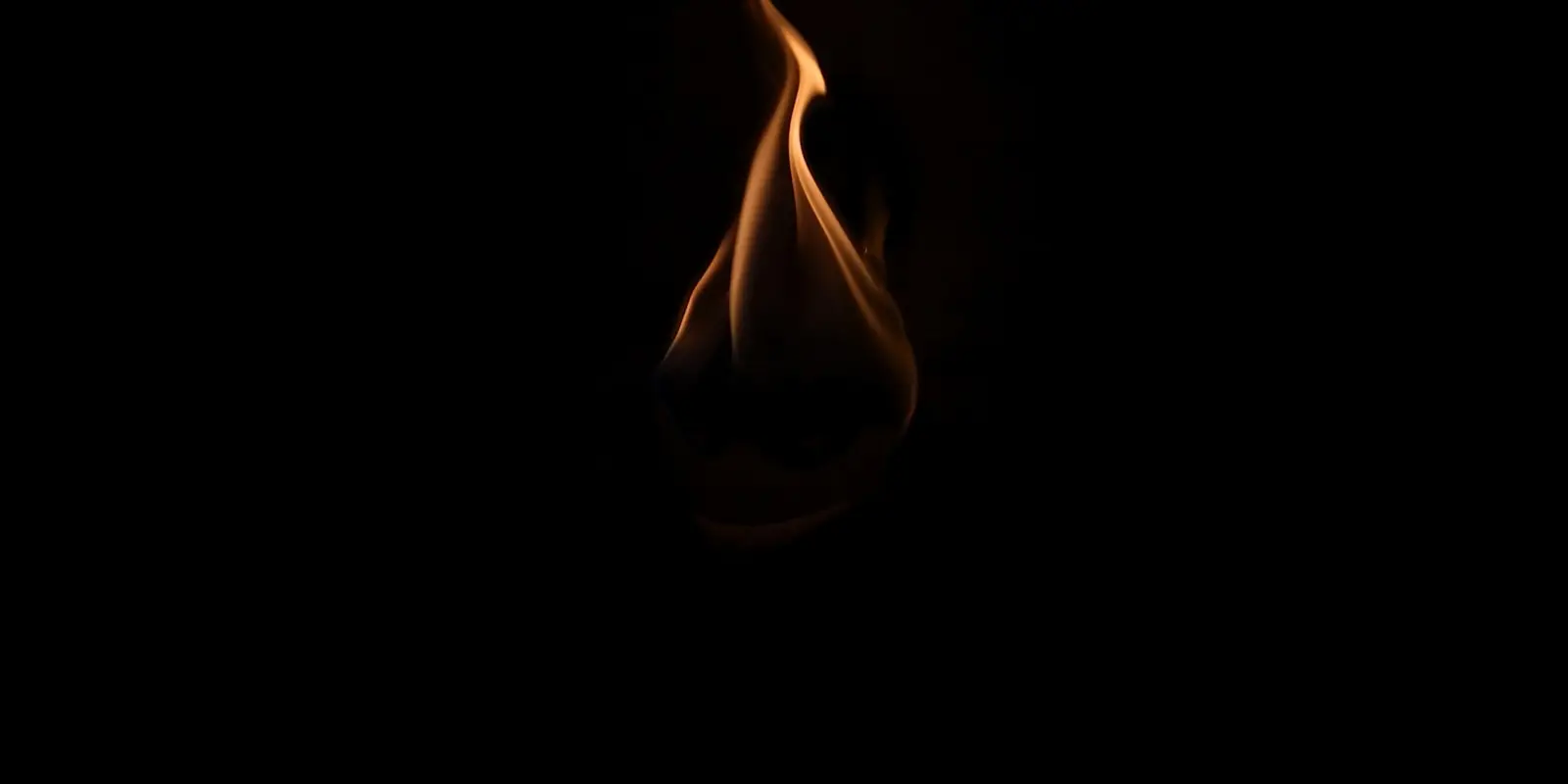
I watch the flame settle after its initial rush, find its height, sway in its small weather; blue at the base, warmer above, near-invisible at the tip where heat and air agree. When the pool meets the rim, something else meets its edge too: my impatience. The room smells different, yes, but it also feels edited—less glare, more proportion.
I snuff rather than blow, a small gesture of care that avoids the ash of a rushed goodbye. Wick straightened while warm, lid replaced when cool, glass wiped with a soft cloth to restore clarity. Two or three hours at the start shape forty to fifty afterward. Efficiency misses the point. Presence is the point. The candle learns itself. I learn the evening. Both keep the lesson.
Have questions?
Reach out at: