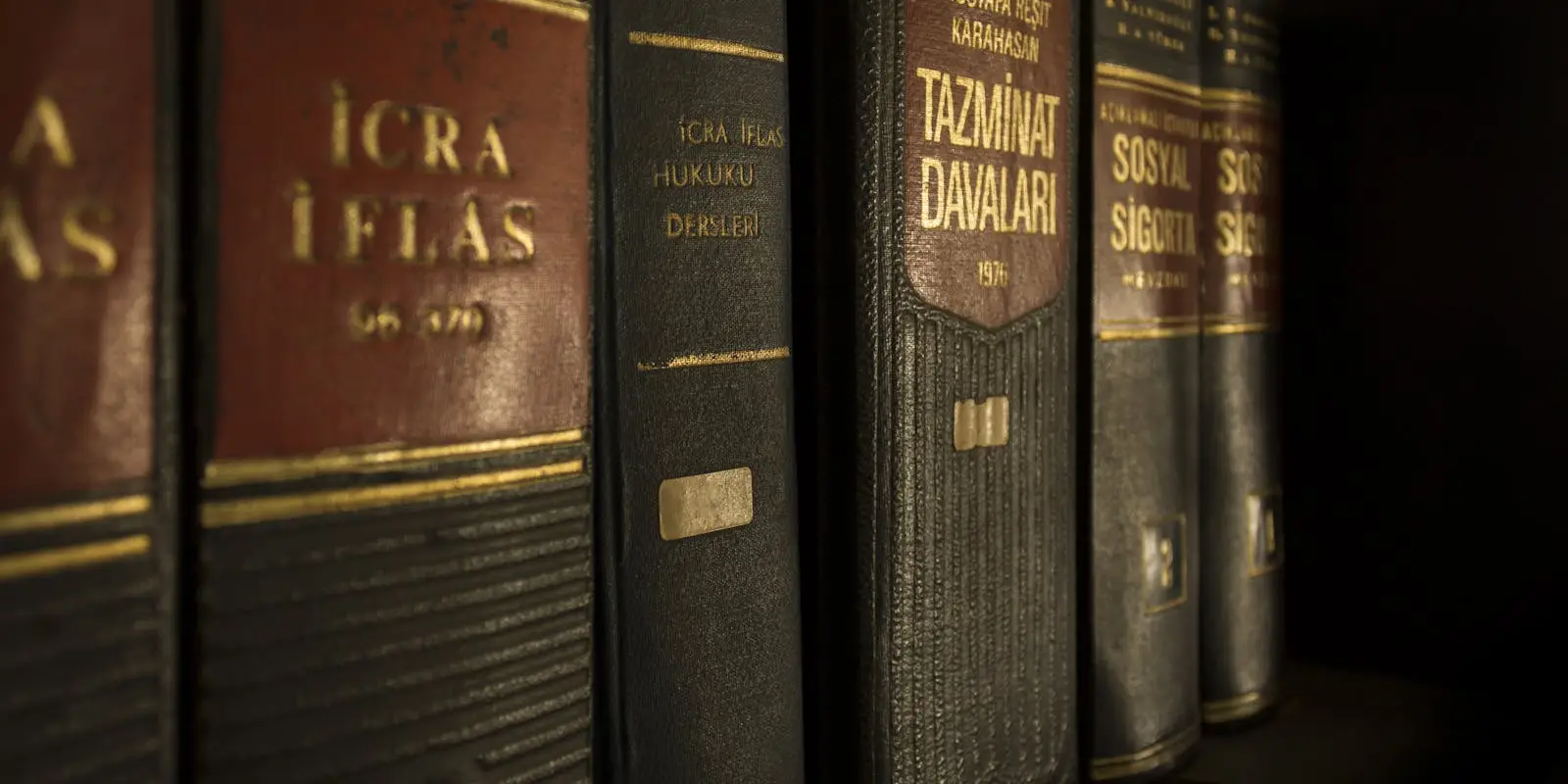
Shelves, Books, and Safe Spacing
Books and candles share patience, but they also share a risk if I’m careless. The rule is simple: a hand’s width—fingers spread—between flame and paper. Not for theatre; for respect. I keep the vessel on lower shelves so heat rises away from spines, never trapped between them. The flame acts like a courteous visitor: present, aware, ready to leave no trace.
Candlelight changes a library’s face. Titles turn secret; colours quiet down; the whole wall seems to step closer to listening range. I find myself pulling one book instead of scrolling, choosing a chair instead of the edge of the bed. Task lighting gives visibility; this gives privacy—the difference between being able to see and wanting to look.
Arrangement becomes another kind of editing. Some organise by subject or colour; I sometimes arrange for flicker—spines that catch light in interesting ways, matte covers that drink it, glossy jackets that hand it back doubled. Leather-bound volumes love a nearby flame; paperbacks tolerate it; art books ask for distance so images don’t fight reflections.
Empty shelf space next to the vessel isn’t waste; it’s design. The negative space is what makes the rest readable. A candle teaches this lesson simply: a small circle of light, a column of air, a metre of calm. The library doesn’t need more decoration. It needs room to be a library.
Have questions?
Reach out at: