Memory as a Room You Can Relight
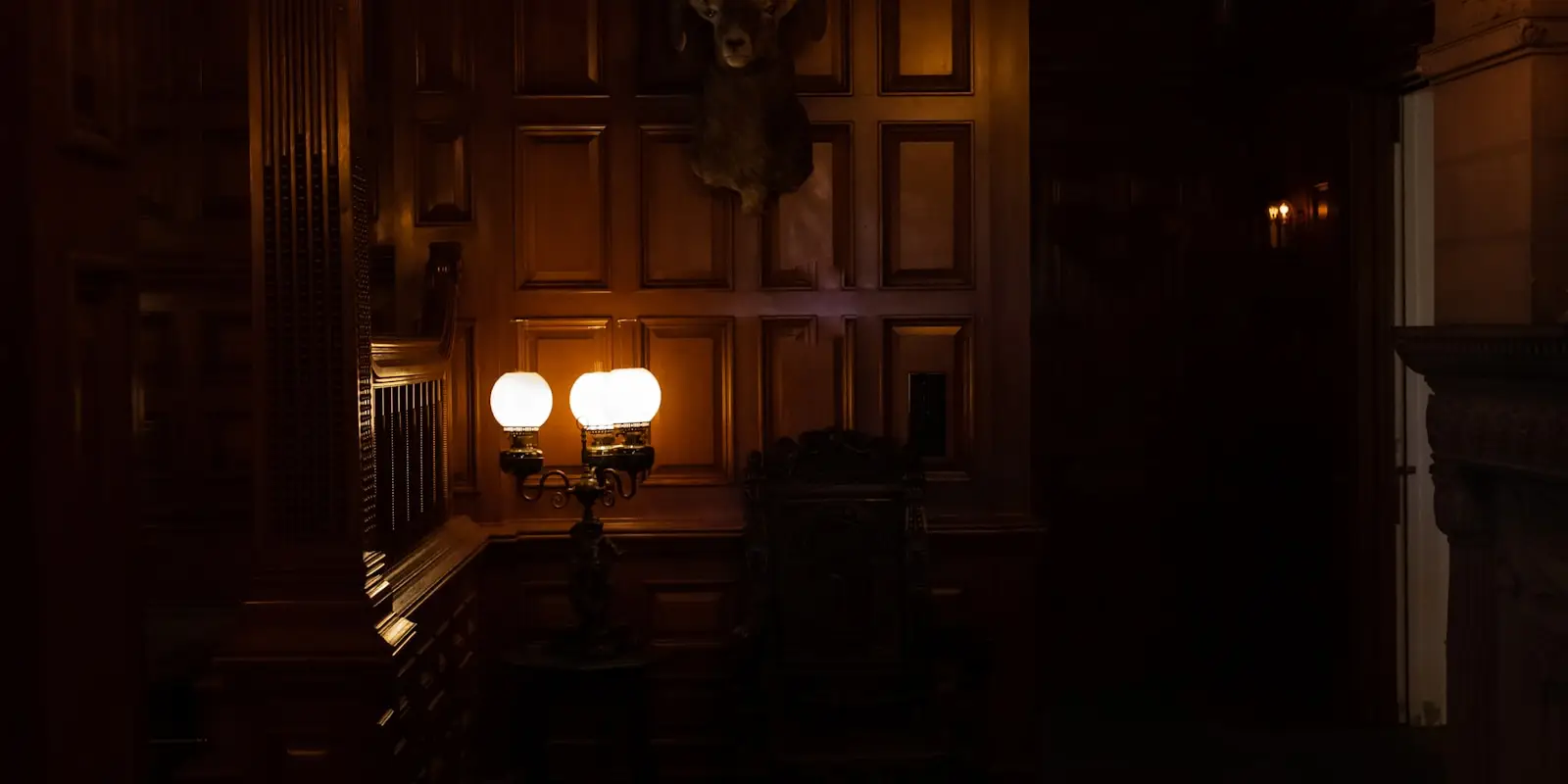
Every room keeps gentle ghosts: a dinner that ran past midnight, a Sunday that forgot to end, an argument that dissolved into laughter. Lighting a candle doesn’t pull the past back by force; it slows the present until resonance appears. I strike a match and the room reintroduces itself—the chair she always chose, the window where a decision settled, the table that held an opened letter.
The act is small, but it reframes time. Flame is a semicolon: this happened; this is happening. Both true, both here, both now. The first minutes feel almost imagined, the air shifting a half-tone before scent finds language.
Memory behaves less like storage and more like architecture—rooms built from moments, furnished by detail, lit by feeling. The vessel remembers too. Each burn leaves its script: the way wax learns its edges, the faint darkening where heat lingered, the wick’s slow retreat like a ruler measuring evenings.
By the fortieth hour the candle holds a document of attendance. When it’s finished, the glass keeps something harder to name—the shape of time, made visible. This isn’t nostalgia; nostalgia edits too much and sweetens what should stay honest. It’s closer to archaeology: careful, patient, revelatory.
The same space, the same scent, the same flame, but I change each time I light it—different thoughts, different weather, different pulse. That’s the conversation I want: a room that expands because I notice it, a past that participates without taking over, a present that becomes audible. One candle is enough; too many make noise. I don’t light to invent a mood; I light to meet the one that’s already here and let it speak.
Have questions?
Reach out at: