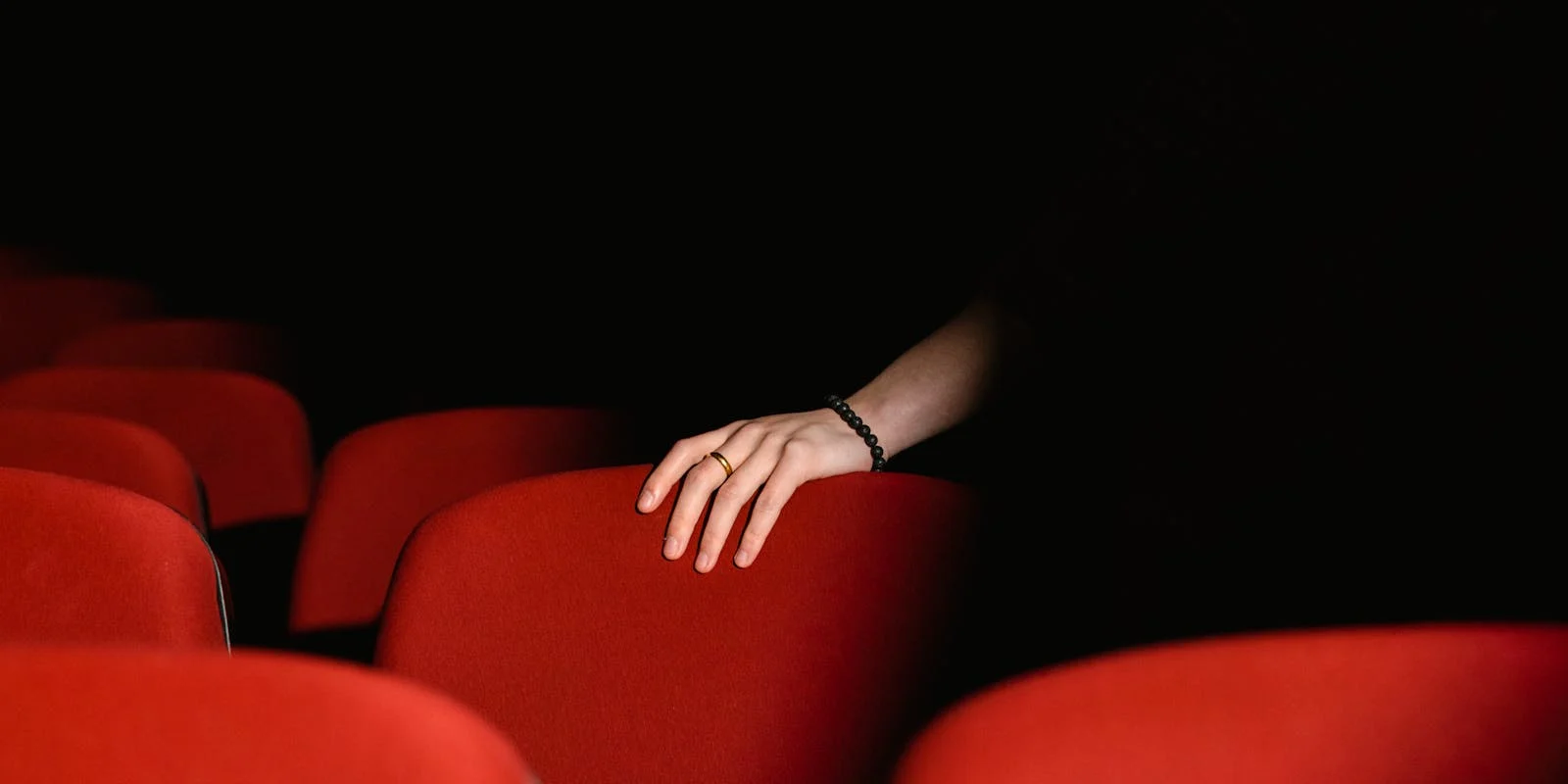
A Candle Is a Witness
Objects divide into actors and witnesses. Actors perform on command: screens display, speakers project, appliances churn. Witnesses attend—chairs hold, mirrors reflect, and a candle burns while life happens around it. I light one when I want proof that an evening was more than the sum of its tabs.
The flame sees without commentary. The conversation that finds its shape. The dinner that needed salvage and got it. The page turned, the call made, the decision softened by time. It marks duration without verdict, which is rare. We record so much data and so little presence.
Fifty hours is not a marketing number when you count in evenings. It’s two full days of chosen time, often stretched thin across weeks. The vessel holds those hours the way tree rings hold seasons—visible to those who know where to look, invisible to anyone rushing past. When the candle ends, the witness doesn’t. The empty jar sits quietly and remembers.
I keep more unwitnessed days than I like to admit—hours scrolled, tasks stacked, meals inhaled. One light won’t fix a culture, but it corrects my ratio. It invites me to say, “this happened,” and to behave as if that were enough. Some nights that’s all I need from an object: attendance, not applause.
Have questions?
Reach out at: